Step Off the Train and Onto the Towpath
Today we’re exploring family‑friendly canal towpath day walks that begin right at train stations across England and Wales, turning simple rail journeys into gentle adventures. Expect easy navigation, riverside wildlife, lockside curiosities, and plenty of snack stops. With simple planning, pram‑friendly stretches, and engaging mini‑challenges, these carefree outings invite curious minds, comfortable shoes, and a spirit for slow discovery between platforms, bridges, boats, and aqueducts.

Plan a Smoother Rail‑to‑Canal Adventure

Start by pairing a convenient station with a calm stretch of towpath, aiming for out‑and‑back routes that allow flexible turnarounds. Check step‑free access, toilets, and nearby cafés. Use rail apps, Ordnance Survey or Canal & River Trust maps, and watch weather windows. Choose distances that welcome short legs, schedule snack breaks near benches, and let curiosity, not the clock, set your pace from platform to waterside.

Water Awareness for Curious Children

Before stepping onto the towpath, agree boundaries: no running beside edges, hands off lock gear, and stop‑look‑listen under bridges. Point out lifesaving stations where present, and explain why algae, mud, and wakes can be slippery. Reinforce calm walking during wildlife encounters. Small rituals—hand squeezes at narrows, counting to five before crossing—transform caution into a confident routine that protects curiosity without dulling wonder.

Surfaces, Gradients, and Wheels

Not all towpaths are equal for wheels. Some are smooth and pram‑friendly; others narrow, rooty, or cambered. Study station access in advance, checking lifts, ramps, and platform bridges. Consider a carrier for short rough sections. When puddles form or leaves slick the path, shorten goals and extend playtime at scenic stops. Flexible expectations keep the whole outing welcoming for buggies, balance bikes, and tired legs.

Sharing the Path with Others

Canals are sociable places where walkers, anglers, runners, and cyclists pass politely. Teach children to walk single file at pinch points, pause for rods and trolleys, and wave thanks after letting bikes through. Bells and voices help, but eye contact helps more. Under low bridges, slow down, listen, and enjoy echoes. The more generously you share space, the more generous kindness you receive back.

Safety, Comfort, and Easy Access by the Water

Towpaths invite unhurried movement, yet water demands steady awareness. Set clear rules near locks, low parapets, and narrow bridges. Walk single file under arches, pause for cyclists, and hold hands with toddlers at busy spots. Check surface types—gravel, grass, or hard‑packed—and adjust footwear. Where prams roll easily, progress feels effortless; where roots and ruts appear, patience and playful detours keep spirits bright.

Rail‑Ready Routes to Spark Wonder

Bath Spa to Dundas Aqueduct

From Bath Spa, a short stroll leads into elegant Sydney Gardens and the Kennet & Avon Canal, where flat paths welcome prams and curious eyes. Head toward Bathampton for swans and narrowboats, or continue to Dundas Aqueduct for picnic‑perfect views. Trains are frequent, cafés abound, and history feels close enough to touch as stone, water, and ironwork guide an unpressured, photogenic day out.
Hebden Bridge and the Rochdale Canal

From Bath Spa, a short stroll leads into elegant Sydney Gardens and the Kennet & Avon Canal, where flat paths welcome prams and curious eyes. Head toward Bathampton for swans and narrowboats, or continue to Dundas Aqueduct for picnic‑perfect views. Trains are frequent, cafés abound, and history feels close enough to touch as stone, water, and ironwork guide an unpressured, photogenic day out.

Chirk Station to the Aqueduct

From Bath Spa, a short stroll leads into elegant Sydney Gardens and the Kennet & Avon Canal, where flat paths welcome prams and curious eyes. Head toward Bathampton for swans and narrowboats, or continue to Dundas Aqueduct for picnic‑perfect views. Trains are frequent, cafés abound, and history feels close enough to touch as stone, water, and ironwork guide an unpressured, photogenic day out.

Wildlife and Seasons Along the Water’s Edge
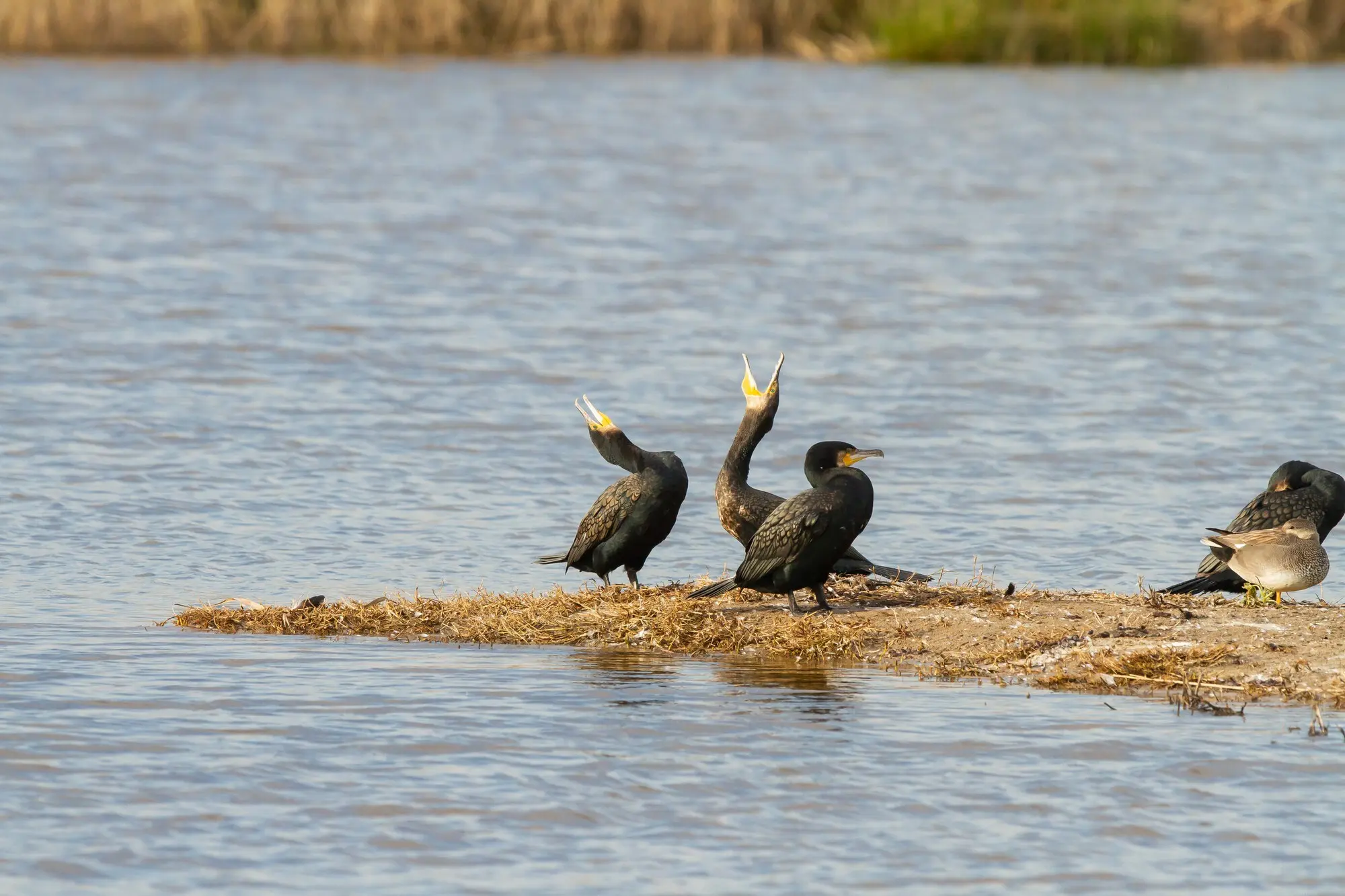
Every month paints the towpath differently. Spring brings ducklings and blossom; summer hums with damselflies and lazy boat wakes. Autumn’s copper leaves and fungi invite scavenger hunts, while winter’s bare branches reveal kingfisher perches and crisp silhouettes. Embrace short daylight, pack warm layers, chase sunlit moments, and let seasonal surprises shape pace and distance. Share sightings and tips to inspire other families’ next gentle excursion.
Turn observation into play: tally swans, watch moorhen feet like green paddles, and listen for reed‑warbler chatter. Count lock beams painted black and white, find iridescent damselflies, and spot water boatmen skating. Bring a tiny notebook for sketches, celebrate each discovery with a sticker, and swap favourite finds with other families online. Curiosity grows when small moments receive applause and stories travel further than footsteps.
Crunchy leaves transform familiar paths into treasure maps. Search safely for conkers, admire bracket fungi on old stumps, and compare leaf shapes by bridge numbers. Photograph reflections where copper and gold ripple across still water. Warm flasks, woolly hats, and playful jumping games keep spirits high. Back home, build a simple collage, then share a snapshot with readers to spark someone else’s weekend wander.

Understanding a Lock Without Getting Wet
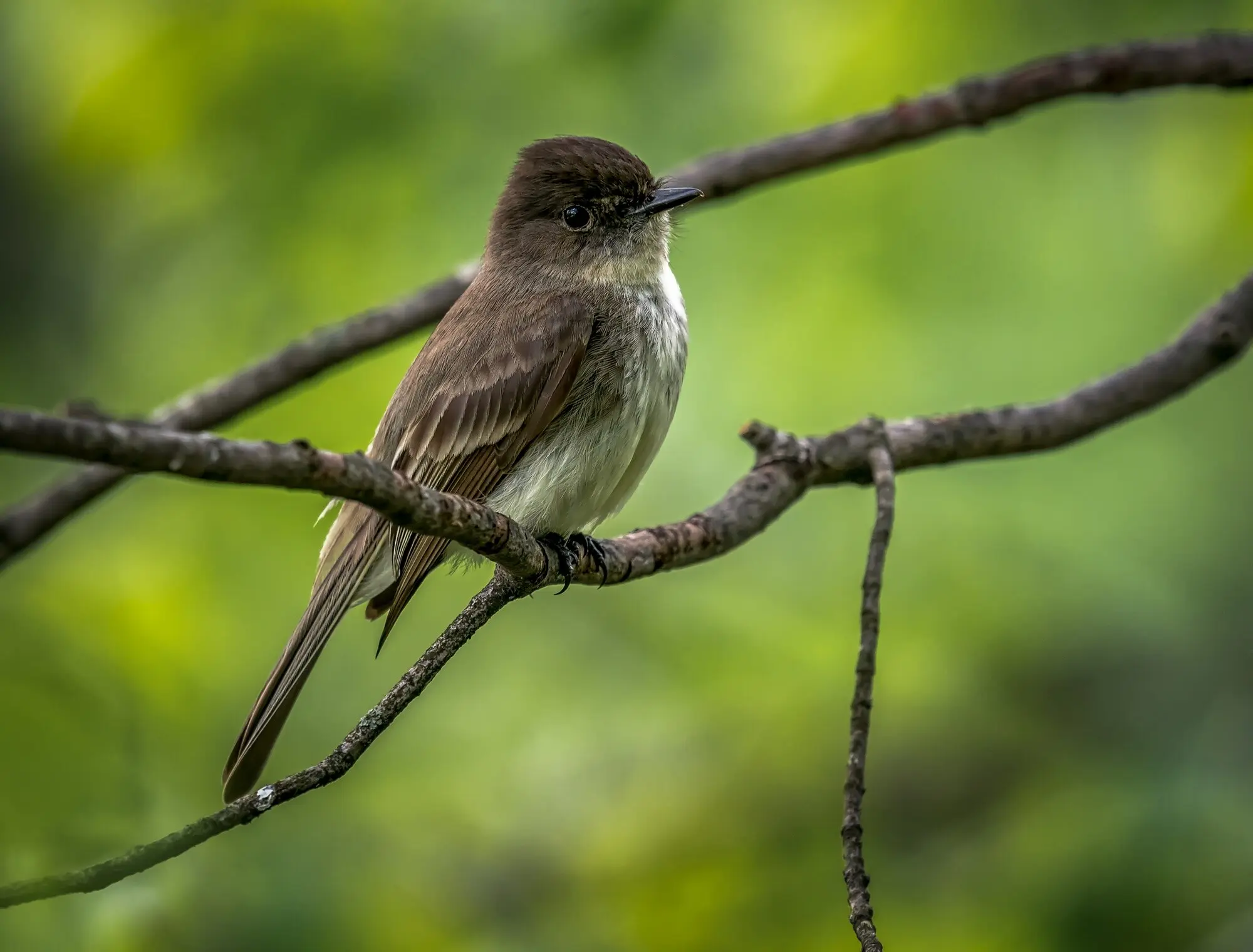
Find a safe vantage and watch a boat rise or fall between gates. Describe chambers, paddles, and balance beams in child‑friendly language, comparing them to bath plugs and see‑saws. Count turns of a windlass if a boater explains. Celebrate patience: water works slowly, predictably, and beautifully. This steady spectacle anchors attention and teaches physics, teamwork, and kindness toward those working hard on the cut.

Aqueducts, Tunnels, and Big Engineering
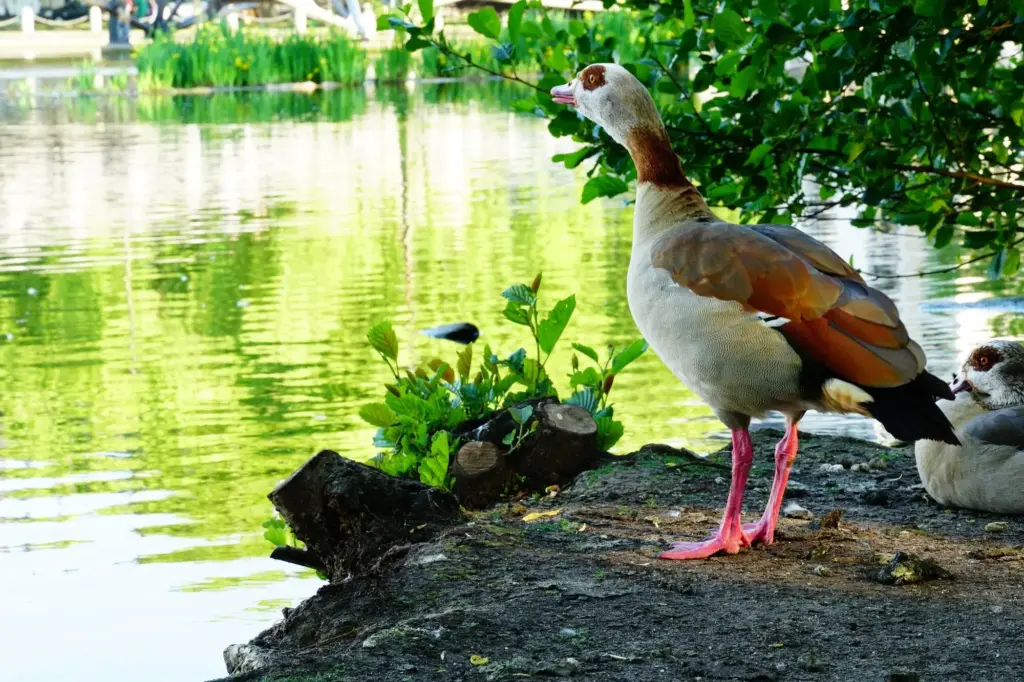
Stand beneath a towering aqueduct or by a tunnel portal and let imagination take the lead. Mention Thomas Telford’s daring designs and the courage of workers who built with iron, stone, and hope. Listen for echoes, trace rivets, and compare arches. Big structures invite small questions that grow into lifelong curiosity about bridges, materials, and the quiet brilliance that carries boats calmly above valleys.

Food, Breaks, and Playful Motivation

Fuel adventures with simple, packable treats and timely café stops within easy reach of stations. Schedule a picnic where boats queue for locks or benches catch sunshine. Create mini challenges—wildlife bingo, bridge‑number races, or lock‑beam limbo—and reward with hot chocolate near the platform. Invite readers to post favourite family‑friendly cafés and snack spots so the collective map grows tastier with every journey.