Rails to Reeds: Day Hikes for Estuary and Saltmarsh Birds
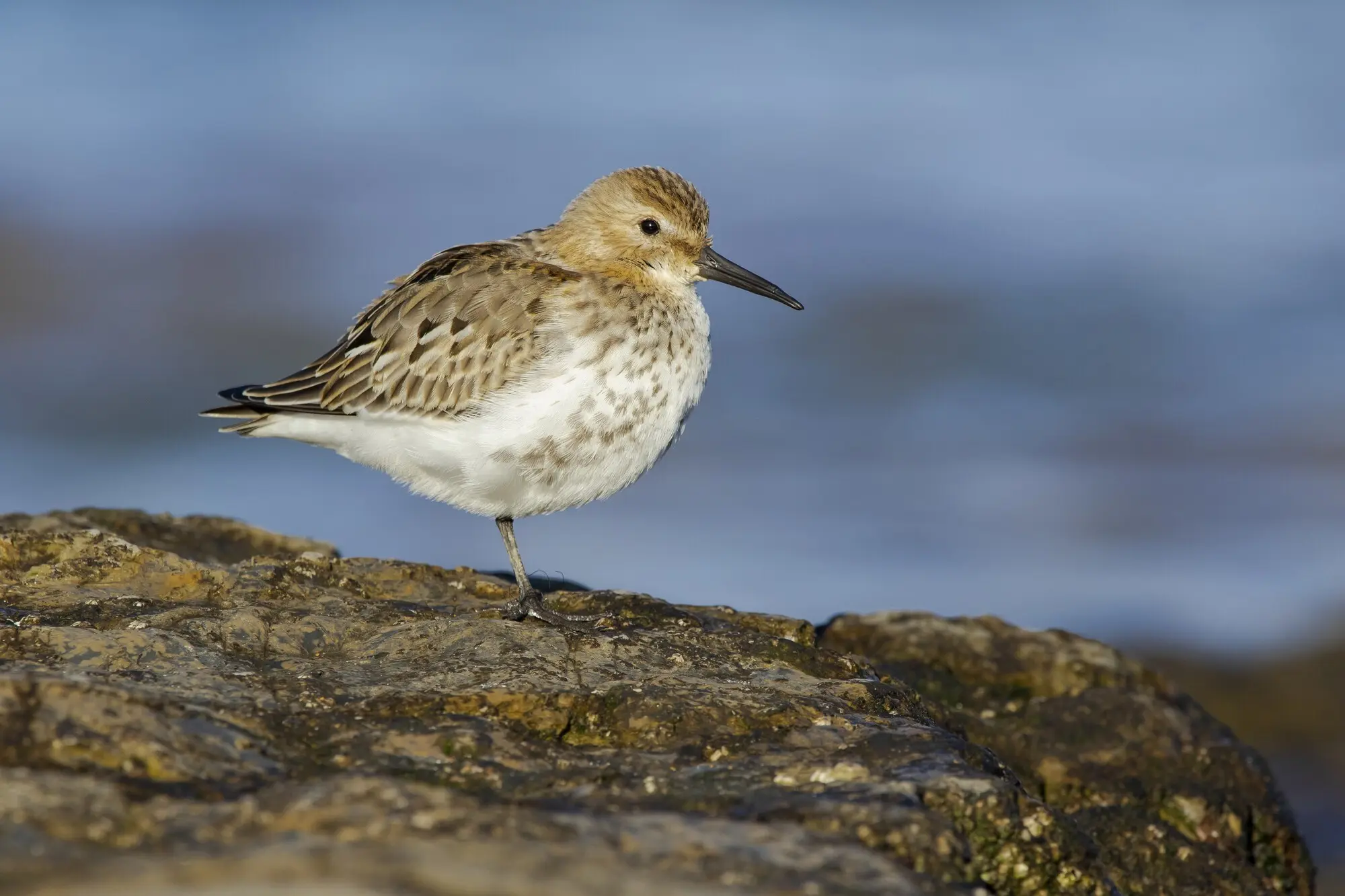
Plan Like a Tide: Timing, Trains, and Trails
01
Tides and Timetables
High tide condenses birds into photogenic roosts; falling water spreads flocks across feeding flats. Use National Rail apps alongside tide tables for nearby harbours, then aim to arrive ninety minutes before peak water. If winds are strong, add extra margin, and always prioritise safe vantage points over ambitious mileage.
02
Packing for Salty Paths
Binoculars around 8x or 10x magnification balance steadiness and reach on breezy seawalls. Choose waterproof boots with grippy soles, plus a light sit pad for seawalls or hides. Include a dry bag, gloves, hot drink, and lens cloths; salt spray sneaks everywhere, and warmth fuels sharper observation.
03
Wildlife-Friendly Choices
Stay on signed rights of way, give flocks ample room, and linger quietly when birds show alarm. Dogs belong on leads near livestock and roosts. Swap playback for patience, and time snack breaks away from high-tide refuges. Your restraint buys intimate, unforced encounters.
English Estuaries Straight from the Platform
Welsh Saltmarsh Wonders within a Train Ride
Season by Season: What Wings to Expect
01
Winter Spectacles and High-Tide Roosts
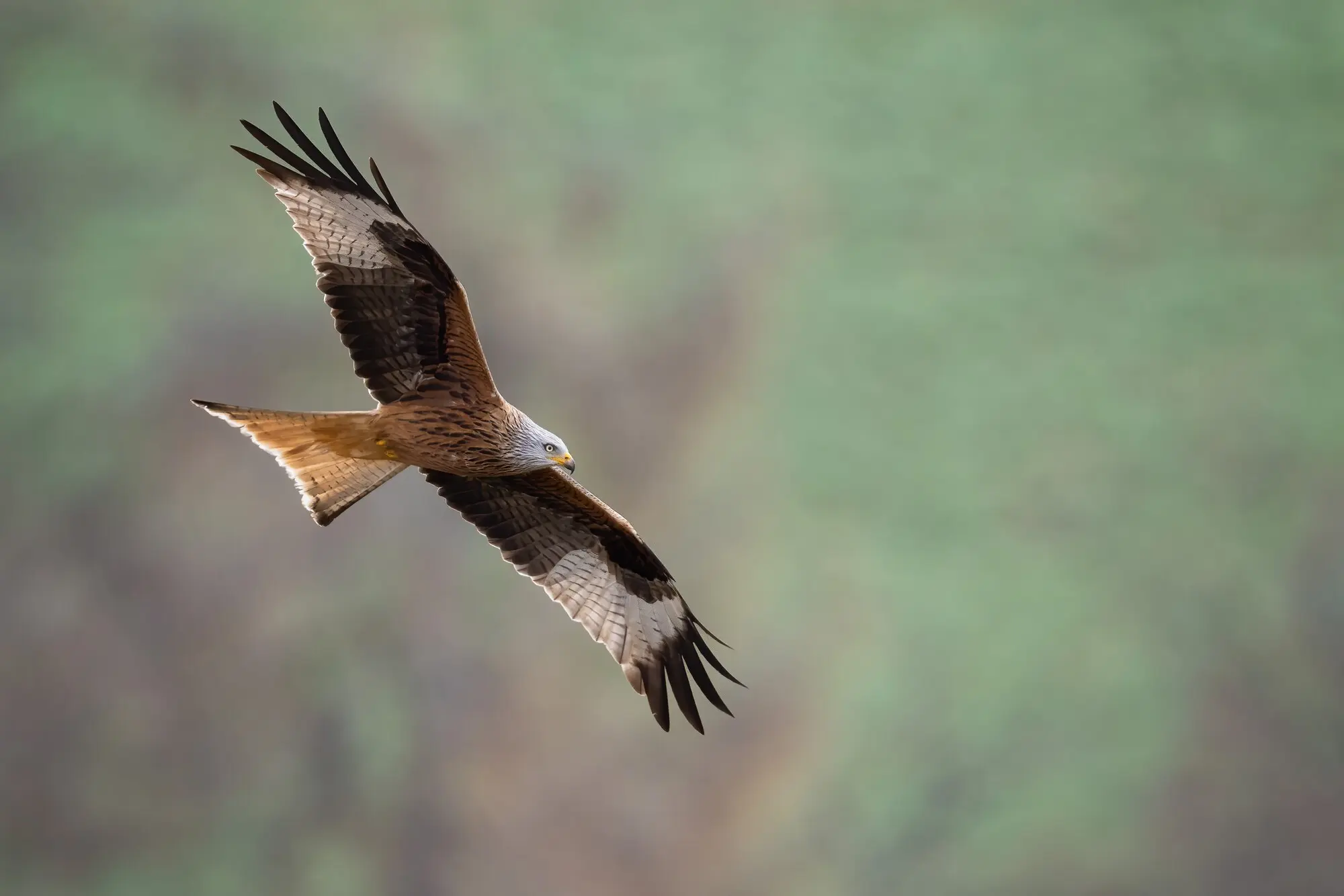
Plan around high tides for dense roosts of knot, dunlin, sanderling, and grey plover, with whistling wigeon and teal threading the soundtrack. On calm days, scan channels for goldeneye and red-breasted merganser. Harriers spar at dusk, and foxes patrol quietly along gleaming banks.
02
Spring Calls and Breeding Displays
Fresh greens return to sea aster and glasswort while migrants pour through: wheatear, whinchat, common sandpiper, and sleek sandwich terns. Watch avocets scrape nests in shallow lagoons, redshanks shout their territories, and skylarks pour song overhead as light stretches wanderings between welcoming stations.
03
Autumn Passage and Restless Flocks
As days shorten, juveniles pack estuaries in dusky ranks, rehearsing survival on rich mud. Little stints flicker among dunlin; curlew sandpipers glow warm. Southerlies carry terns and skuas, while the first pink-footed geese call overhead, telegraphing winter’s grand, synchronized arrival.
Navigation, Safety, and Marsh Sense
Smart Navigation on Shifting Edges
Carry a paper backup even if you love apps; salt, cold, and gloves confuse touchscreens. Waymark posts can be sparse on open marsh, so confirm junctions before tide pushes you onward. Trust local notices, read skies, and retreat early when doubt grows.
Staying Dry, Warm, and Sun-Safe
Weather swings wildly along estuaries; wind over water chills faster than forecasts imply. Layer with wicking baselayers, a breathable shell, and a warm hat. Keep feet dry with gaiters on wet seawalls, and stash emergency calories to brighten long, unexpected waits.
Field Notes: Stories from the Reeds and Railyards
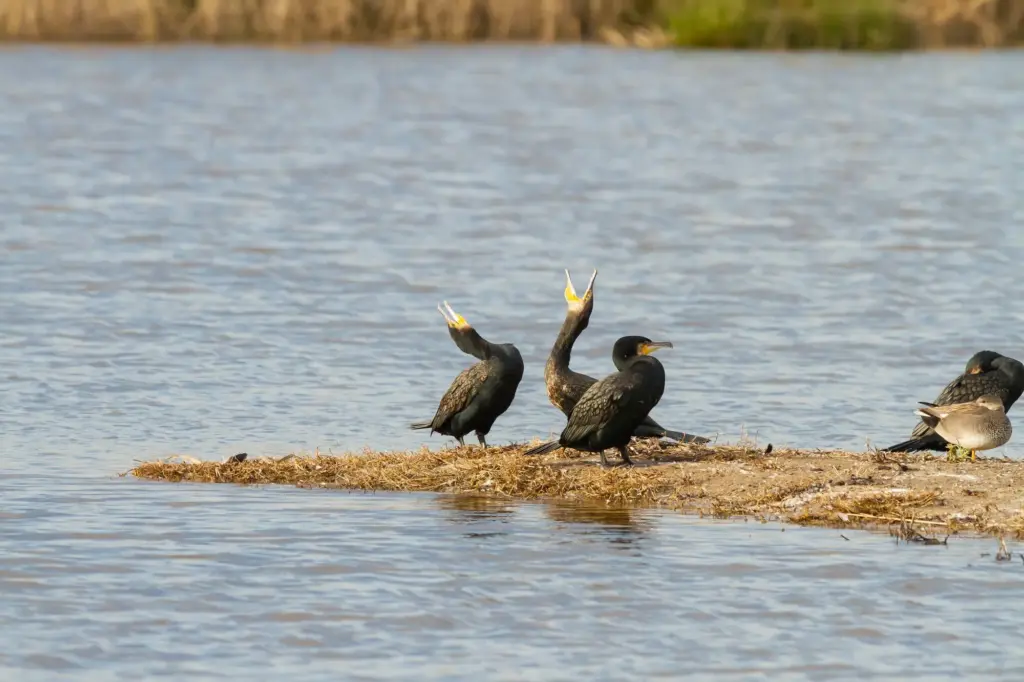
Dawn at Dawlish Warren
High Tide at Parkgate
Breezy Light at Leigh-on-Sea
Join the Flock: Share, Learn, Return

All Rights Reserved.